
The Morgan Aero Tribute
Where it all began: 800 hours, two years, one English wheel and a hand driven medal roller…
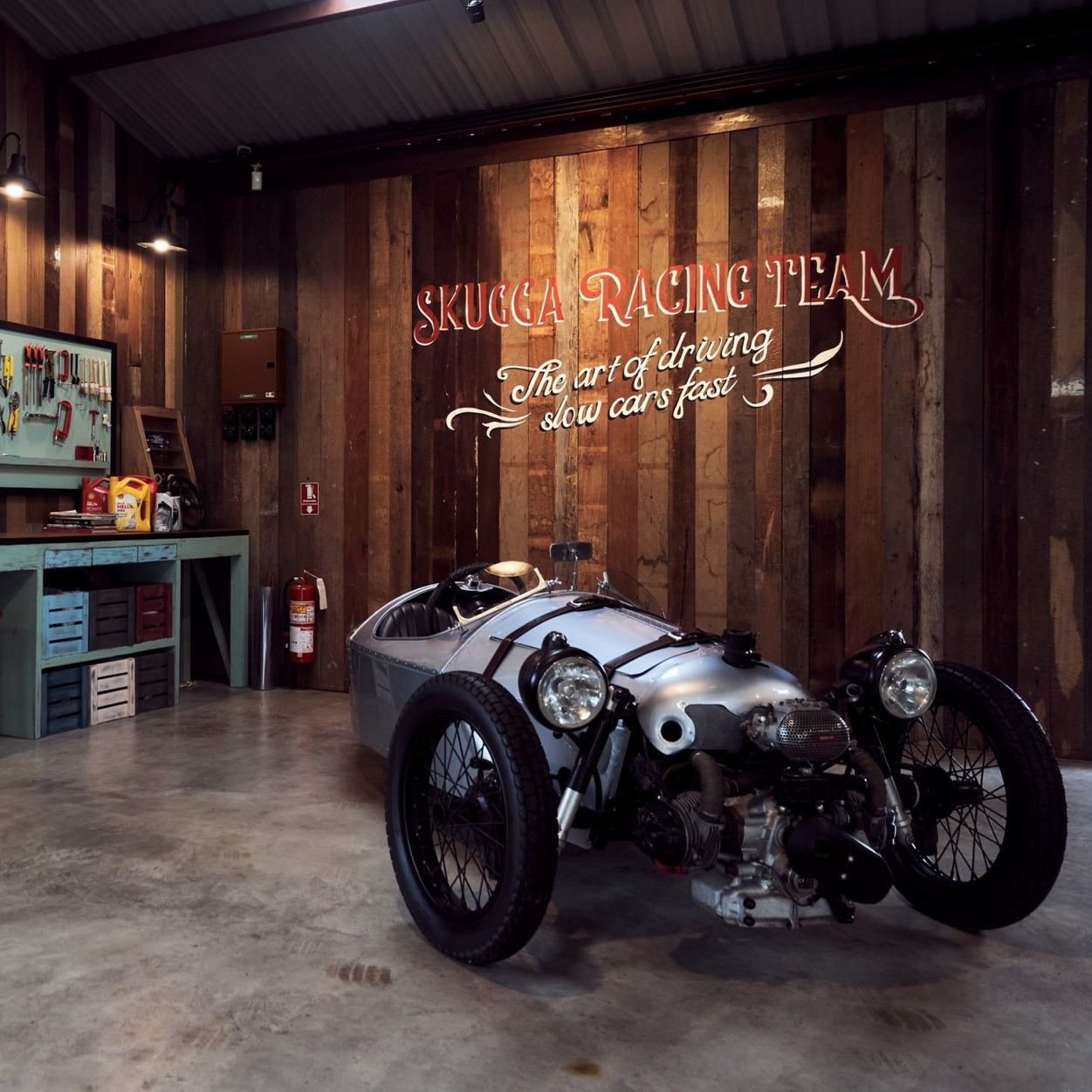
The Morgan three-wheeler is one of the great eccentrics of British motoring. It is a light, lively machine with an engine hung out in the breeze ahead of the front wheels. Of all the cars of the Golden Age, it seemed the right one to start with: small enough for a home workshop, but with every skill a bigger build would need.
I built this tribute over two years, in about 800 hours of work, almost all of it during my rest-and-recuperation breaks while I was still working in Oil & Gas. Every leave meant a few more weeks in the workshop, and every rotation back to work meant planning the next stage.
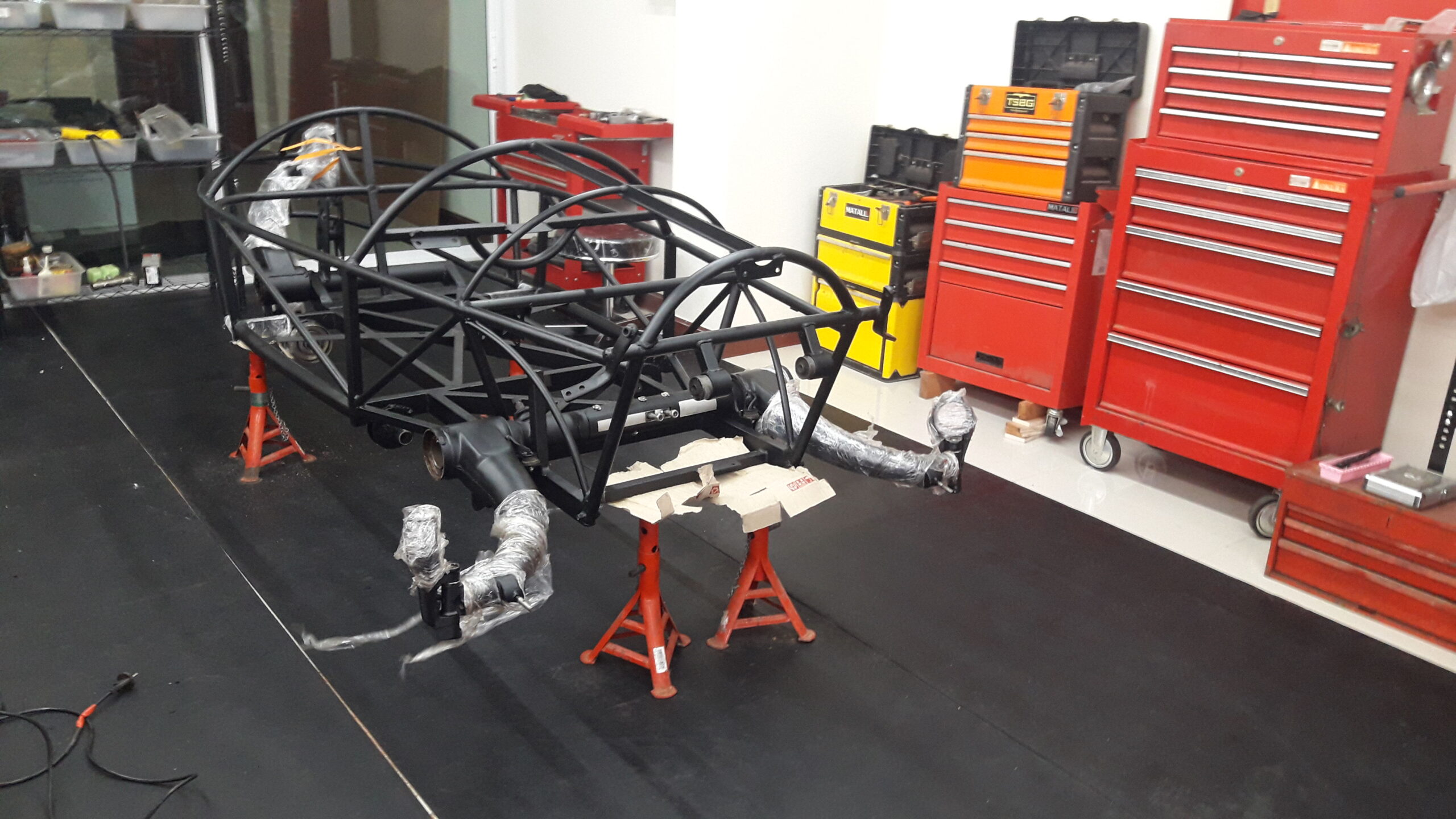
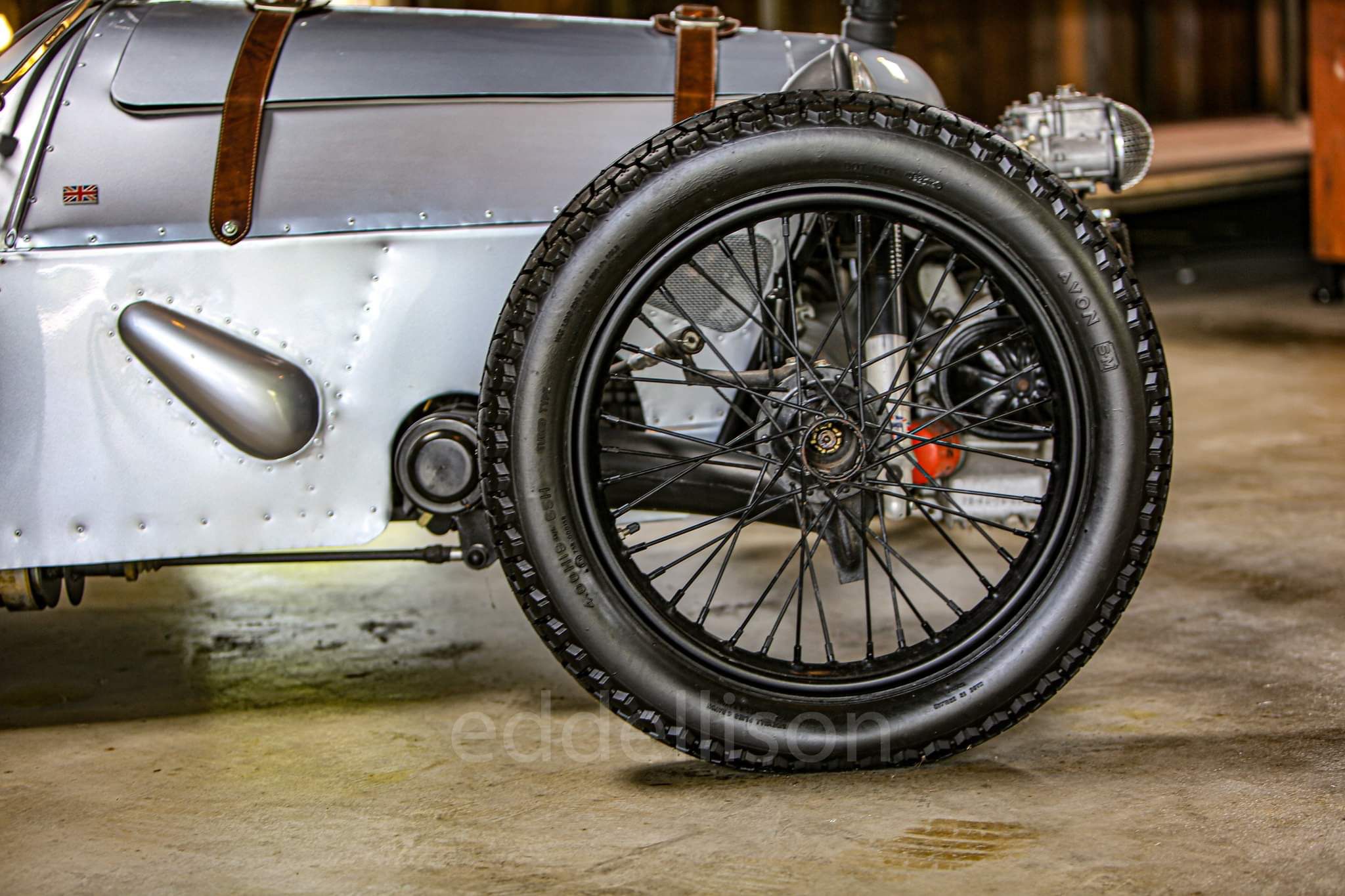
The engineering choices. The original Morgans drove the single rear wheel. I chose to do it differently. The engine is the air-cooled flat-twin from a Citroën 2CV, and it drives the two front wheels. I judged that front-wheel drive would give better traction and road holding, and the 2CV twin sits out front in true three-wheeler style.
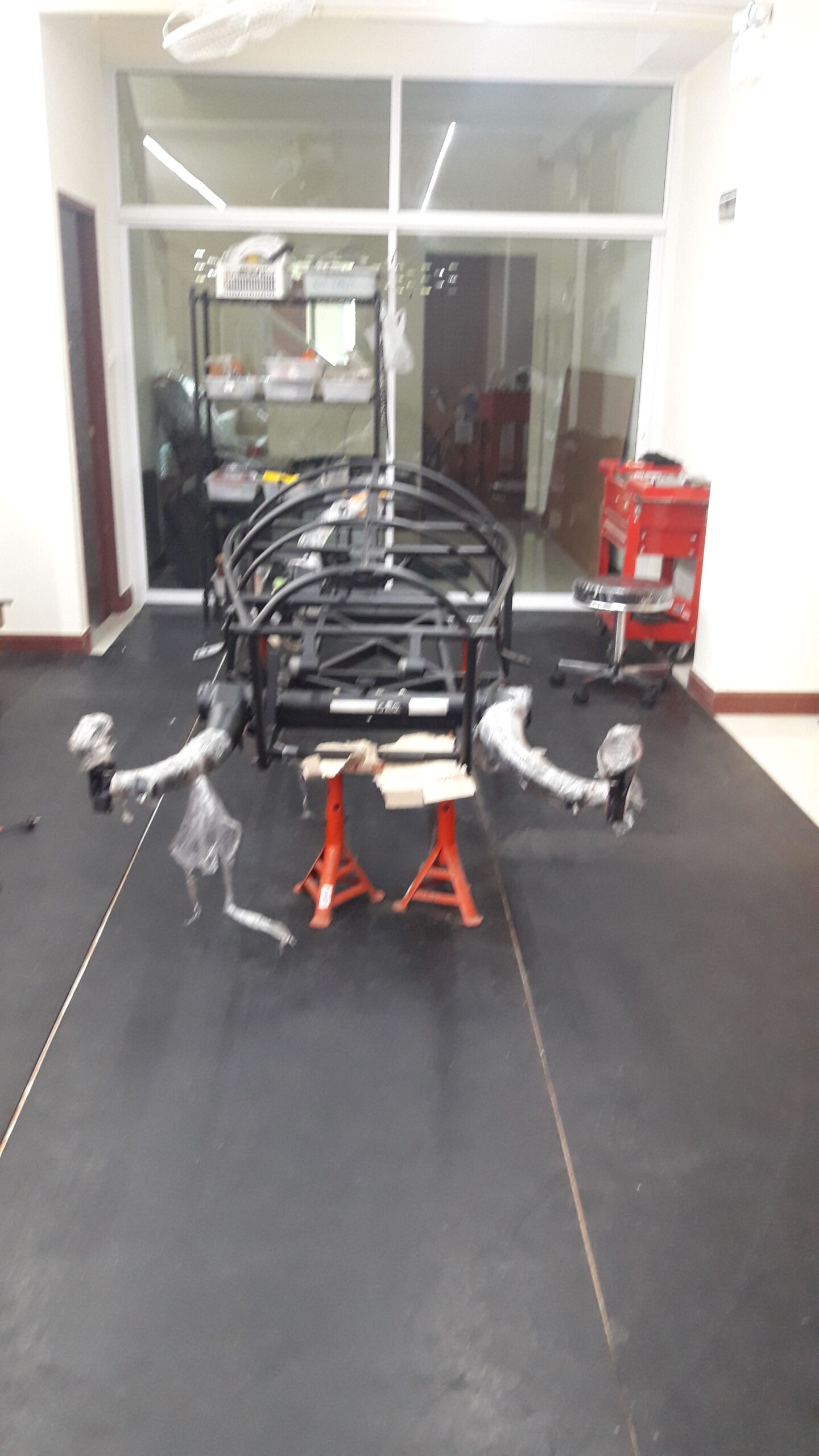
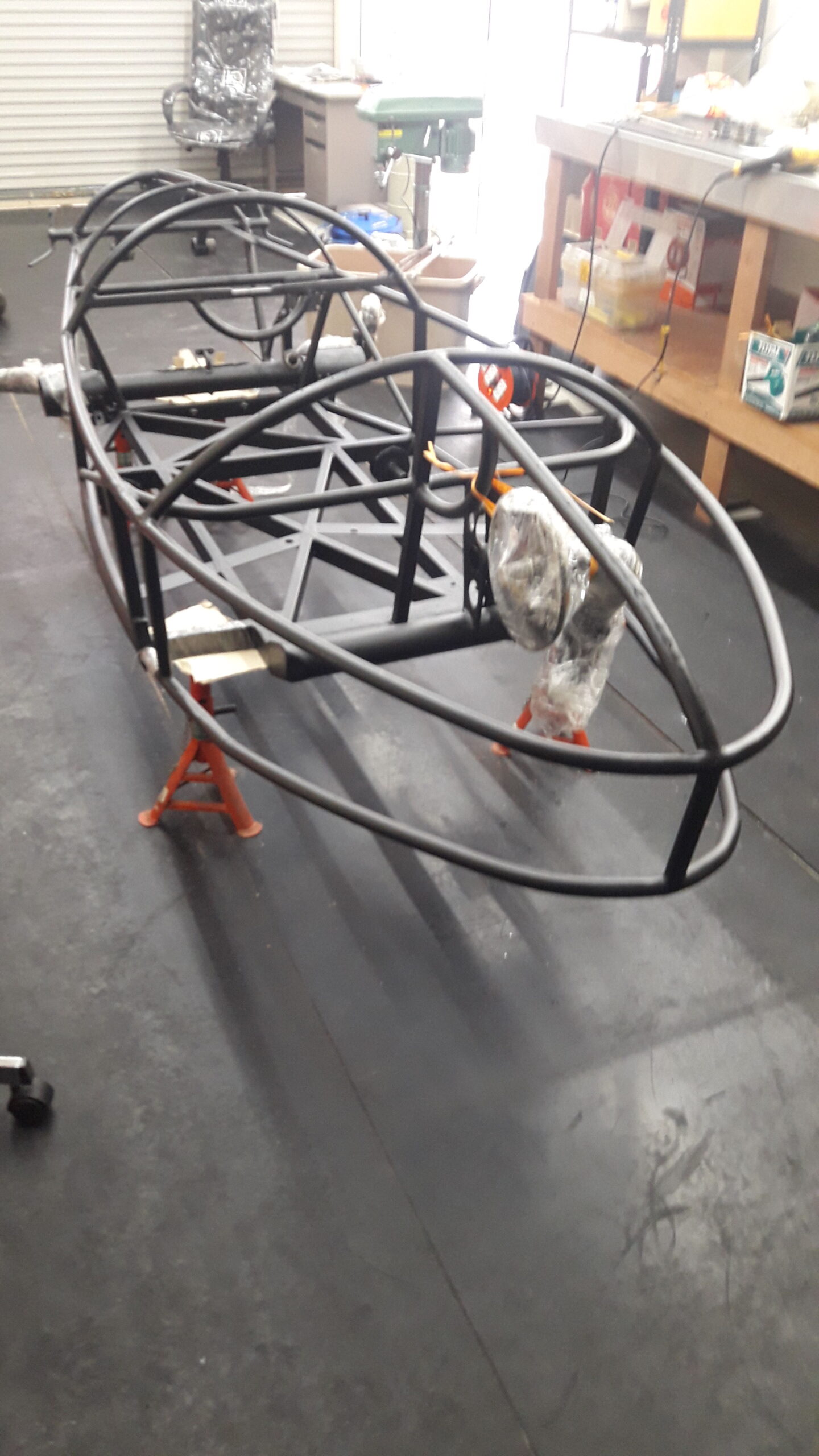
The frame. The chassis is a spaceframe of 28 mm × 1.5 mm steel tube, MIG welded. I curved the hoops and body formers myself on a tube roller, so the frame defines the shape of the body as well as carrying the loads.
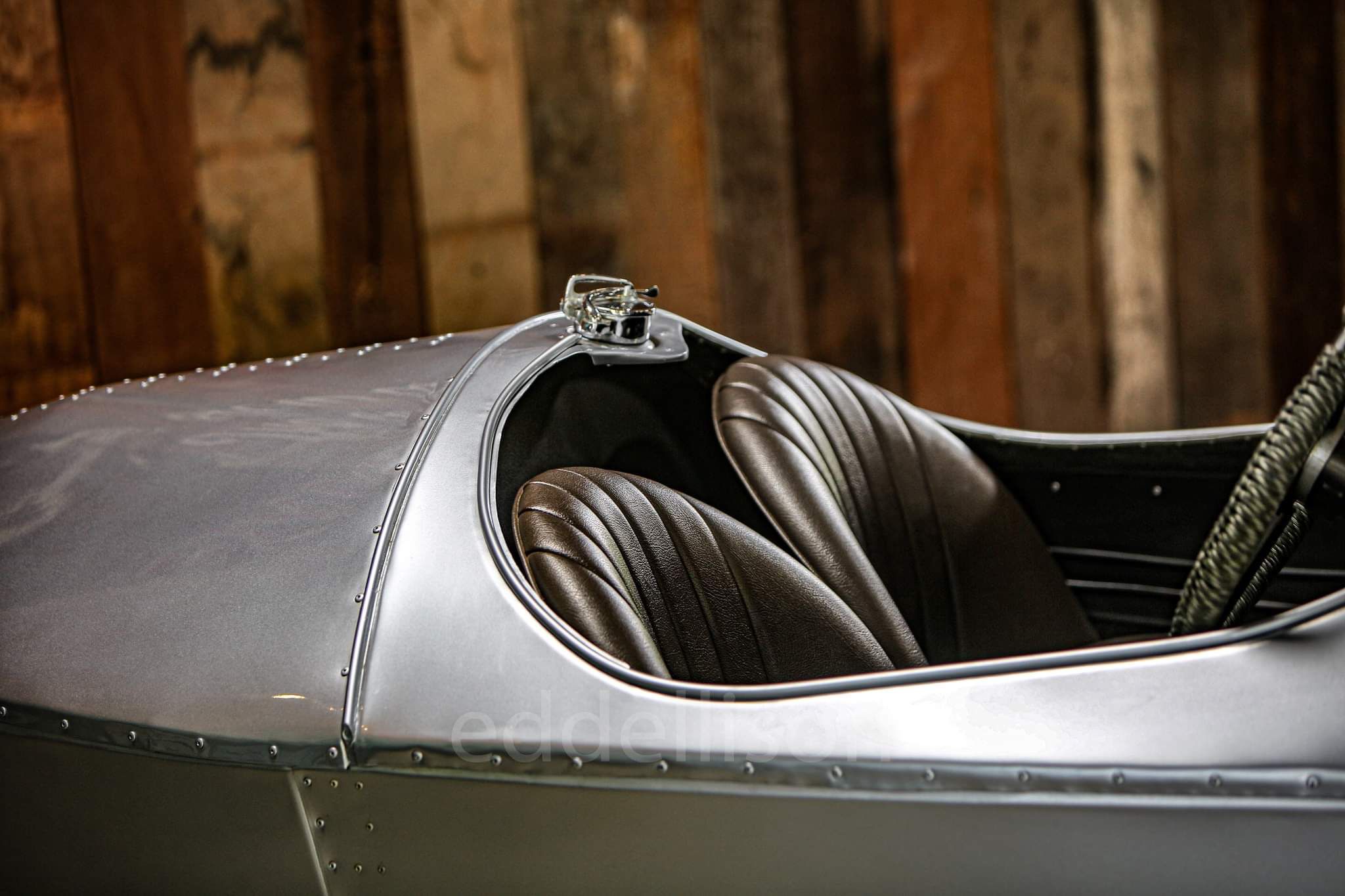
The body. The panels are 1100-series aluminium sheet in 1.2 mm and 1.5 mm gauges. I shaped them by hand on an English wheel, and formed the swages and stiffening beads with a powered bead roller. The riveted seams, the boat tail and the teardrop blister on each flank are all hand-made.
The hardest part. It was the English wheeling. Coaxing a flat sheet of aluminium into a compound curve takes patience, a good eye and a great many hours of practice. It is also the part I am proudest of, and the skill I will need most for the Bentley, the Rolls-Royce and the XKSS.
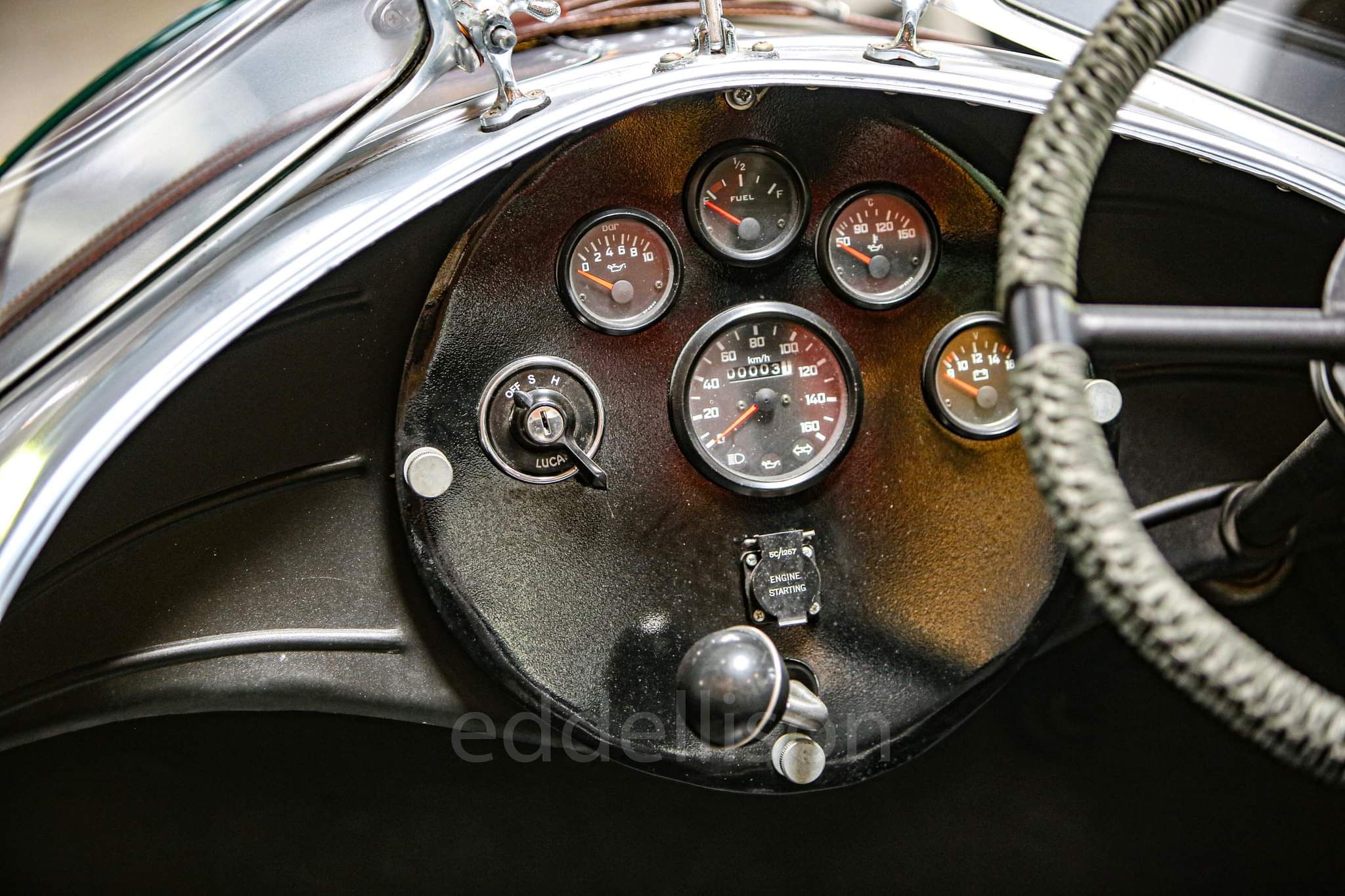
Garage art. The car is not registered for the road and is not meant to be driven. It is a piece of garage art: a tribute to Morgan’s spirit, built to be looked at, sat in and enjoyed.